Le Labo: the lab that turned buying perfume into a ritual
A look at Le Labo: perfume blended in front of you, the buyer’s name on the label, and honesty instead of gloss.
Le Labo was founded in New York in 2006 by Edouard Roschi and Fabrice Penot. They wanted to bring a sense of craft back to perfumery, so they made the shop look like a laboratory.
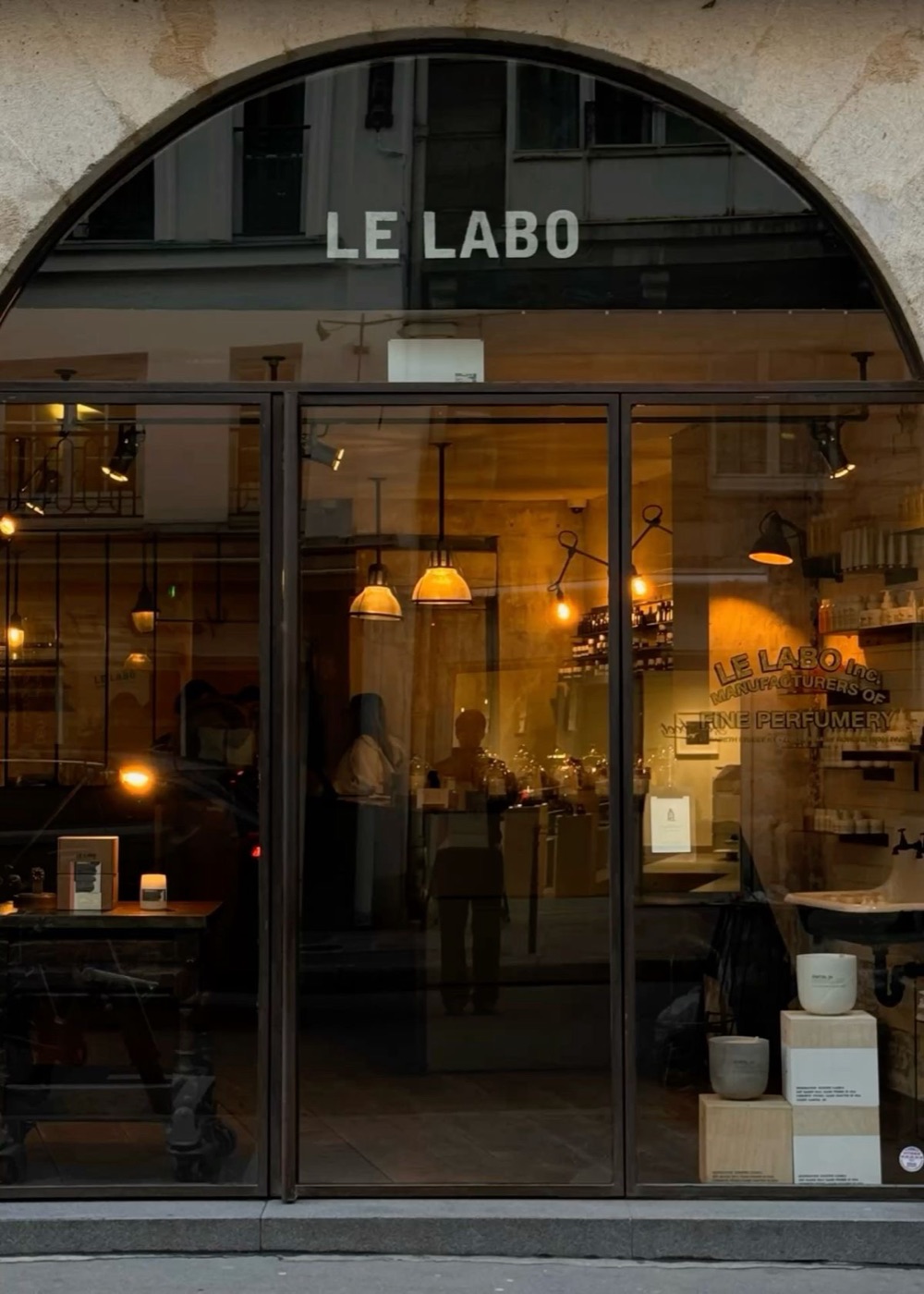
What makes the brand strong
Buying as a ritual. The fragrance is blended in front of the customer, and their name is printed on the label. The bottle becomes personal, and the moment of purchase is one people want to photograph and share.
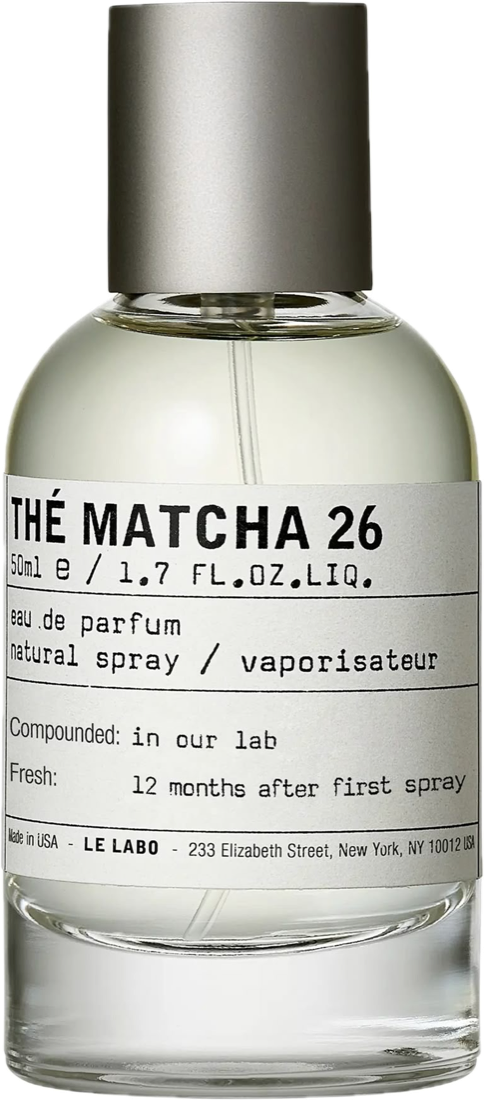
- Compounded
- in our lab
- Fresh
- 12 months after first spray
- Labelled
- buyer’s name, city and date
An honest name. Fragrances are named after the main note and a number, such as Santal 33. It reads like a lab notebook rather than a promise of happiness. In an age of loud advertising, that restraint is exactly what sets the brand apart.
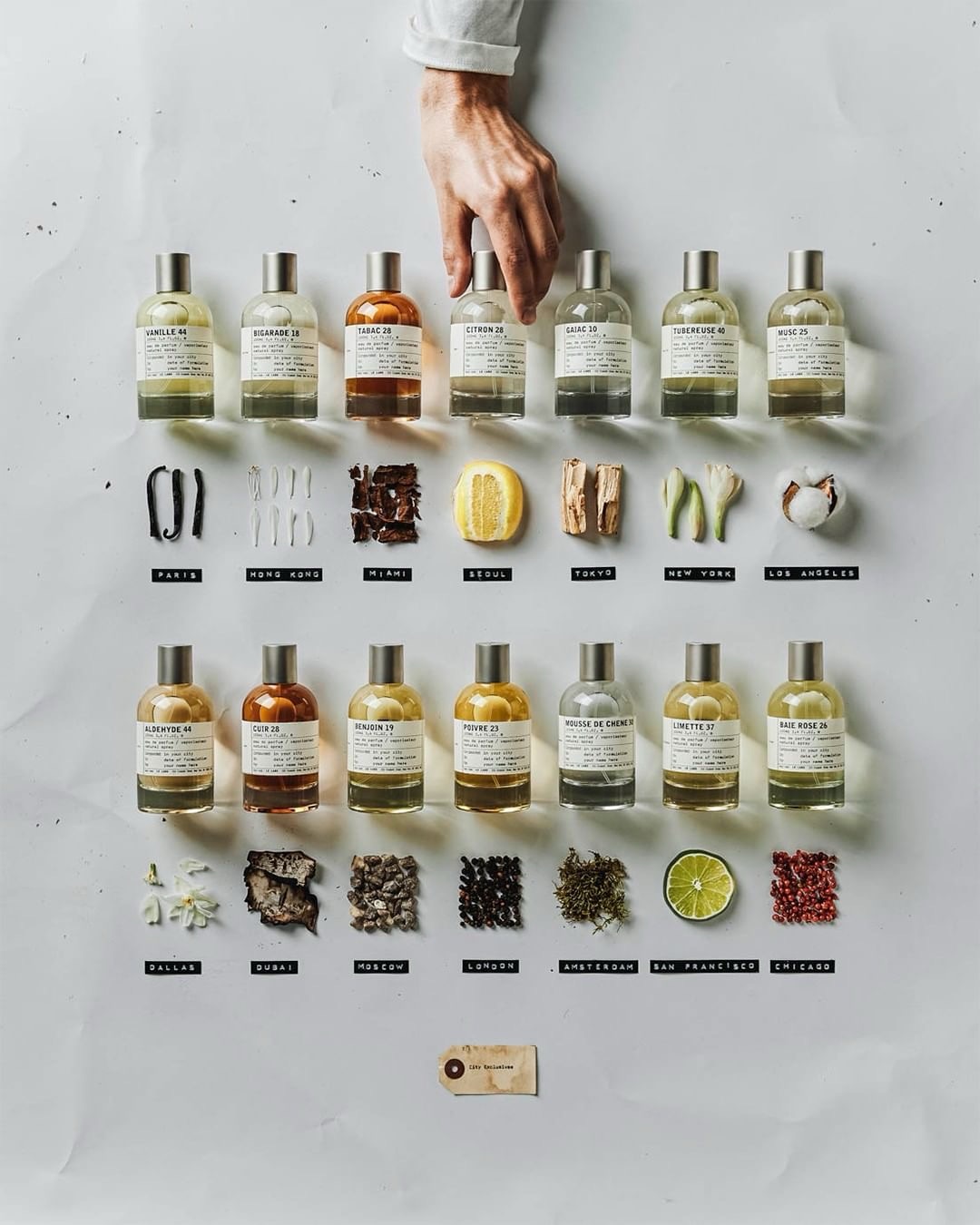
A hit that grew from a candle. First came the Santal 26 candle, and customer demand led to the Santal 33 fragrance, launched in 2011. The brand listened to people and turned their request into its signature product.
In 2014 Le Labo was acquired by Estée Lauder. According to press reports the founders kept the creative side, and the recognisable style remained.
What to take for your business
- Turn the purchase into a ritual. A handwritten note, the guest’s name on the cup, packaging made in front of the customer.
- Speak more quietly than your competitors. Simple, honest names are remembered better than superlatives.
- Listen to what people ask for. Sometimes your best product is already hidden in the comments under your posts.
A niche brand is when the customer feels the thing was made just for them.
Images belong to Le Labo and are shown as illustrations for this review.